
EICR
Electrical Installation Condition Reports
An Electrical Installation Condition Report (EICR) is a comprehensive inspection and test of the fixed electrical installation within a property. During the inspection, a qualified electrician assesses the condition of the consumer unit, electrical wiring, socket outlets, lighting circuits, earthing and bonding, circuit protection and other fixed electrical components. The purpose of the report is to identify any deterioration, damage, defects or non-compliance with the latest BS 7671 Wiring Regulations before they become a safety risk.
Once the inspection has been completed, you will receive a detailed report explaining the condition of the installation, highlighting any observations and recommending any remedial work that may be required.
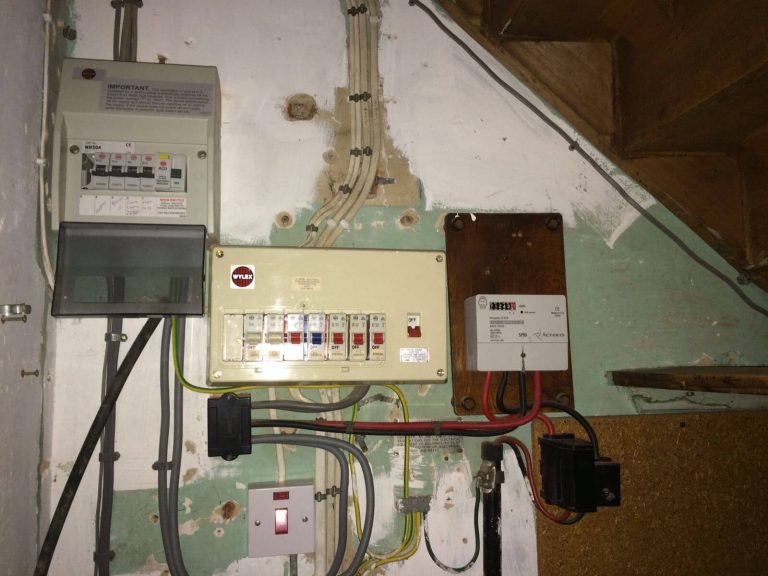
Electrical installations naturally deteriorate over time as a result of age, regular use, environmental conditions and alterations made to the installation. Even if everything appears to be working normally, hidden faults can develop that increase the risk of electric shock, overheating or electrical fire.
An electrical installation condition report helps identify these problems before they become dangerous. It provides reassurance that your installation remains safe, gives you a clear understanding of its overall condition and can help avoid more expensive repairs in the future.
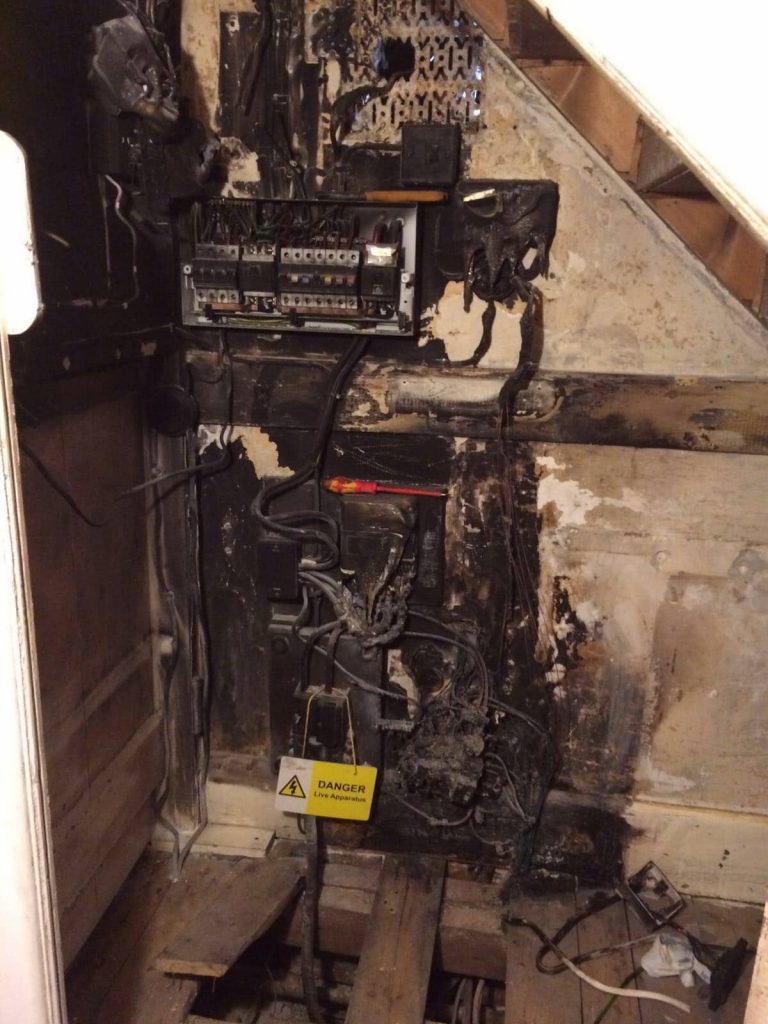
- 15,432 fires caused by electricity (out of a total of 28,350 fires)
- 54.4% of fires in England were caused by electricity (2015/16)

What is an EICR or PIR?
Electrical inspection
To read more about Electrical Installation Condition Reports (EICR), click on the headings below.
What is an EICR or PIR?
An EICR is an electrical installation condition report. This was formerly known as a periodic inspection report. The Electrical installation condition reports became active in 2013 under the new 17th edition regulations. If you are provided a Periodic inspection report this is now obsolete!
The Statistics
Each year around 70 people are killed & 350000 people are seriously injured because of electrical faults in the home, according to government statistics.
Commercially the number of fatalities due to contact with electricity falls to 8 people with a further 14928 serious non fatal & other electrical related injuries.
15,432 fires caused by electricity (out of a total of 28,350 fires)
54.4% of fires in England were caused by electricity (2015/16)
What’s Involved With An EICR?
In short the best description is somewhat like an MOT for your electrics. Electrical installations deteriorate over time due to adverse conditions, heat, movement within buildings as well as external elements or even rodent damage.
To ascertain the condition of an electrical system a series of tests are carried out in conjunction with the current edition of the IET wiring regulations BS7671 to highlight any issues which are unsafe or non compliant with current regulations. These tests are carried out along with mathematical calculations and visual observations to ensure the system is safe and that it will disconnect under fault conditions. All the results are recorded and each item is coded depending on risk. Not all items may be actionable.
For example a code 3 for green sleeving may be recorded if the installation was installed to an older edition. The current edition stipulates earth sleeving standard should be of green and yellow, however this does not affect the safety of the installation so a satisfactory report can still be issued.
C1 – Danger Present. Risk of Injury. Immediate remedial action required.
C2 – Potentially Dangerous – Urgent remedial action required.
C3 – Improvement needed
FI – Further investigation required
How Long Does An EICR Take?
For a full report to be carried out properly is a complex and in depth task. Many companies apply limitations to reports that consumers are not aware of and can sometimes end up paying for a cheap report which is not worth the paper it has been written on. If it’s too good top be true it generally is!
Commercially each system would have to be assessed individually as there can be many factors and variables to be taken into account.
All installations both domestic and commercial depend on the number of Distribution boards, the number of circuits, the size of each circuit with the number of points to be tested as well as the actual size of the property/premises.
Typically a 3 bedroom house with 8 or 9 circuits will take one electrician up to 1 full day or a pair of electricians 4-6 hours. If anyone achieves a thorough report with no limitations quicker than this there is an extremely good chance that it has not been carried out properly!
Requirements For Homeowners
BS7671 (Current Edition Wiring Regulations) recommends having an EICR carried out not more than 10 years apart. It is also important to have this carried out if you are moving out or into a new home. It is common practice to be required to produce these documents during the sale of a property especially if any electrical works has been carried out in previous years. It is advisable to have an EICR carried out if it has never been carried out or you suspect poor quality additions. If you purchase a new home just because the fuse-board looks new it does not mean it has been inspected and is safe. It should have a 5 page report or installation certificate. If it hasn’t it is likely that it is not complaint with current regulations & a potentially dangerous installation. The usual cause of most faults and fires are sub standard work or even worse DIY electrical installations. The expression “a little bit of knowledge is dangerous” springs to mind. Just because something works it does not mean it is necessarily safe and will not go up in smoke or disconnect under fault conditions!
Responsibilities And Requirements For Businesses
As an employer you are responsible for the welfare of your employees and general public Under the 1974 Health and Safety at Work Act stating that employers are ‘responsible for the health and safety of their employees’ and the ‘Electricity at work regulations’ which required that precautions must be taken against the risk of injury from electricity used as part of work activities.
An EICR should be undertaken not more than 5 year intervals & in most cases this is required by your insurers as well as ISO certification.
Portable appliance testing is also a requirement commercially and should be carried out annually, certain low use items may differ in frequency providing a risk assessment has been provided.
Get in touch with one of our team to discuss your requirements
Responsibilities And Requirements For HMO’s and Landlord’s
Until recently the legal requirements were somewhat confusing and a rather grey area.
Under the ‘Landlord and Tenants Act (1985) landlords must ensure that the electrical installation in a rented property is maintained safely throughout a tenancy.
We now have some clarity and as of July 2020 it is now a legal requirement for a property to be electrically inspected & tested at least every 5 year and change of occupancy.
The law currently requires Landlords to provide electrical installation certificates and also places a duty to keep all electrical systems and appliances in good repair and safe working order.
- C1 – Danger Present. Risk of Injury. Immediate remedial action required.
- C2 – Potentially Dangerous – Urgent remedial action required.
- C3 – Improvement needed
- FI – Further investigation required
Reliable and professional electrical services
All Our Electrical Work Is Guaranteed
The time required to complete an electrical installation condition report depends on several factors, including the size of the property, the number of electrical circuits, the accessibility of the installation and whether the premises are domestic or commercial. As a guide, a typical three-bedroom house usually takes between four and eight hours to inspect and test thoroughly, although larger or more complex properties may require additional time.
Since 2003 we have helped 1000’s of people in the local area with their electrical needs. We pride ourselves on the professionalism and quality of our work and our customers can testify to that! – See for yourself on our Checkatrade page.


Why Call ALB Electrical For Your Electrical Inspection Condition Reports?
ALB Electrical has been providing professional electrical services throughout Hampshire since 2003. Our fully qualified electricians carry out detailed electrical installation condition reports for homeowners, landlords and businesses, taking the time to inspect every installation thoroughly rather than rushing the process.
We explain our findings in clear, straightforward language and provide honest advice on any remedial work that may be required. Our reputation has been built on reliable workmanship, transparent pricing and a commitment to helping our customers keep their properties electrically safe.